
Driving in Georgia: Road Rules, Fines, Fuel and Mountain Roads - A Tourist's Guide
Thinking about renting a car in Georgia? Here's what driving here is really like - speed limits, cameras and fines, fueling up, mountain roads, and the local driving style, updated for 2026.
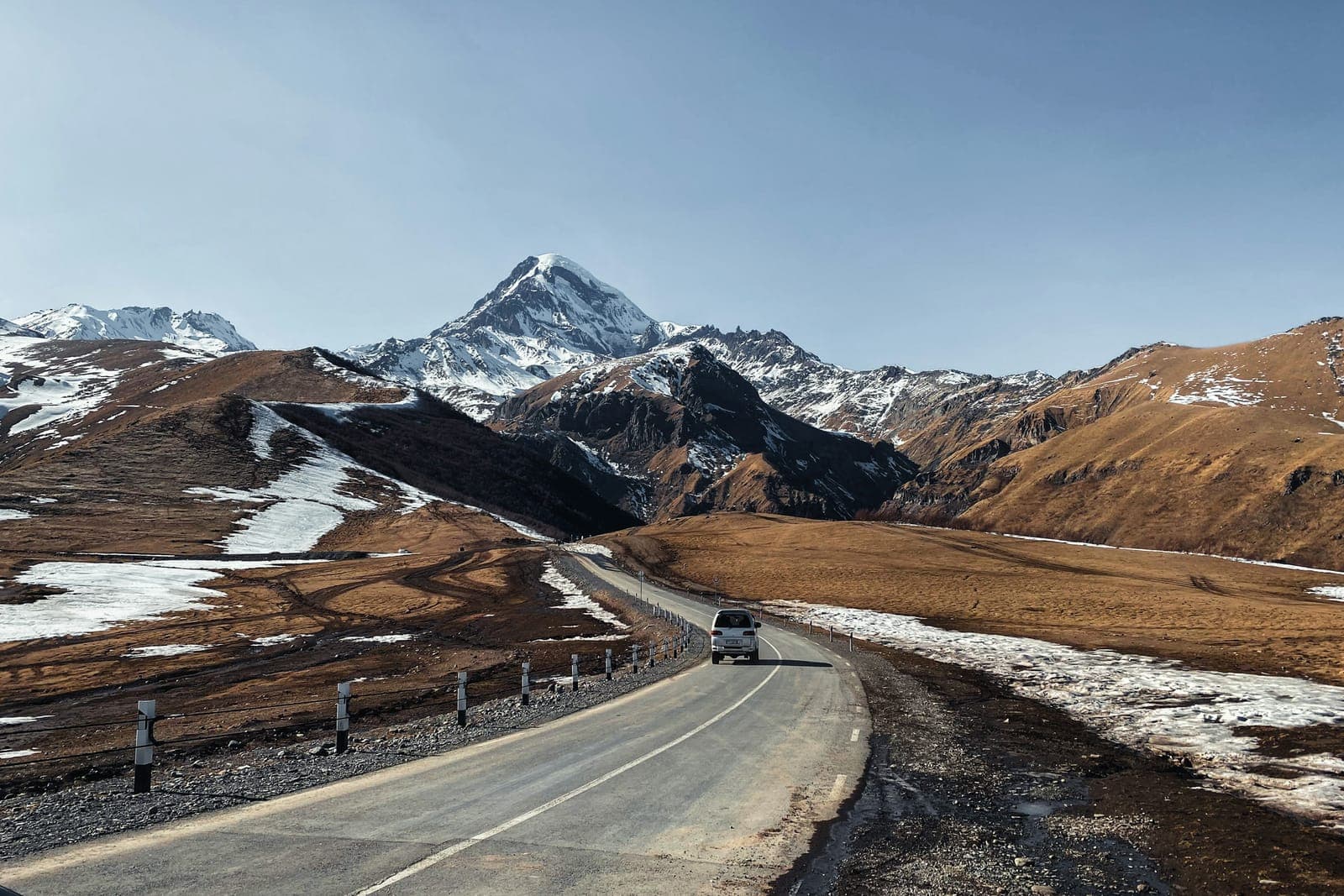
Georgia is a country built for road trips: wine valleys, the high Caucasus and the Black Sea coast all sit within a few hours' drive of each other, and renting a car is by far the best way to connect them. But driving here has its own rhythm, and knowing the rules - including the unwritten ones - before you set off makes the whole trip smoother.
This guide covers what actually matters behind the wheel in Georgia in 2026: speed limits and cameras, fines and how to pay them, fuel, mountain roads, and the local driving style - with the practical tips we give our own customers.
The basics
- Traffic drives on the right, with the steering wheel on the left - same as in continental Europe.
- Your home driving license works as long as it's printed in Latin characters - EU, US, UK and Israeli licenses are all accepted as they are. If your license uses another script, bring an International Driving Permit or a notarized translation as well.
- Carry your license and passport whenever you drive - police can ask for both.
- Seatbelts are mandatory in the front seats, and children need a proper child seat. Holding a phone while driving is banned - hands-free (Bluetooth, CarPlay) is fine.
Speed limits and cameras
The default limits are 60 km/h in cities, 90 km/h outside built-up areas and 110 km/h on motorways, with 30 km/h zones on some residential streets. Watch the signs - limits change often, especially along the central east-west highway where finished motorway sections alternate with older road.
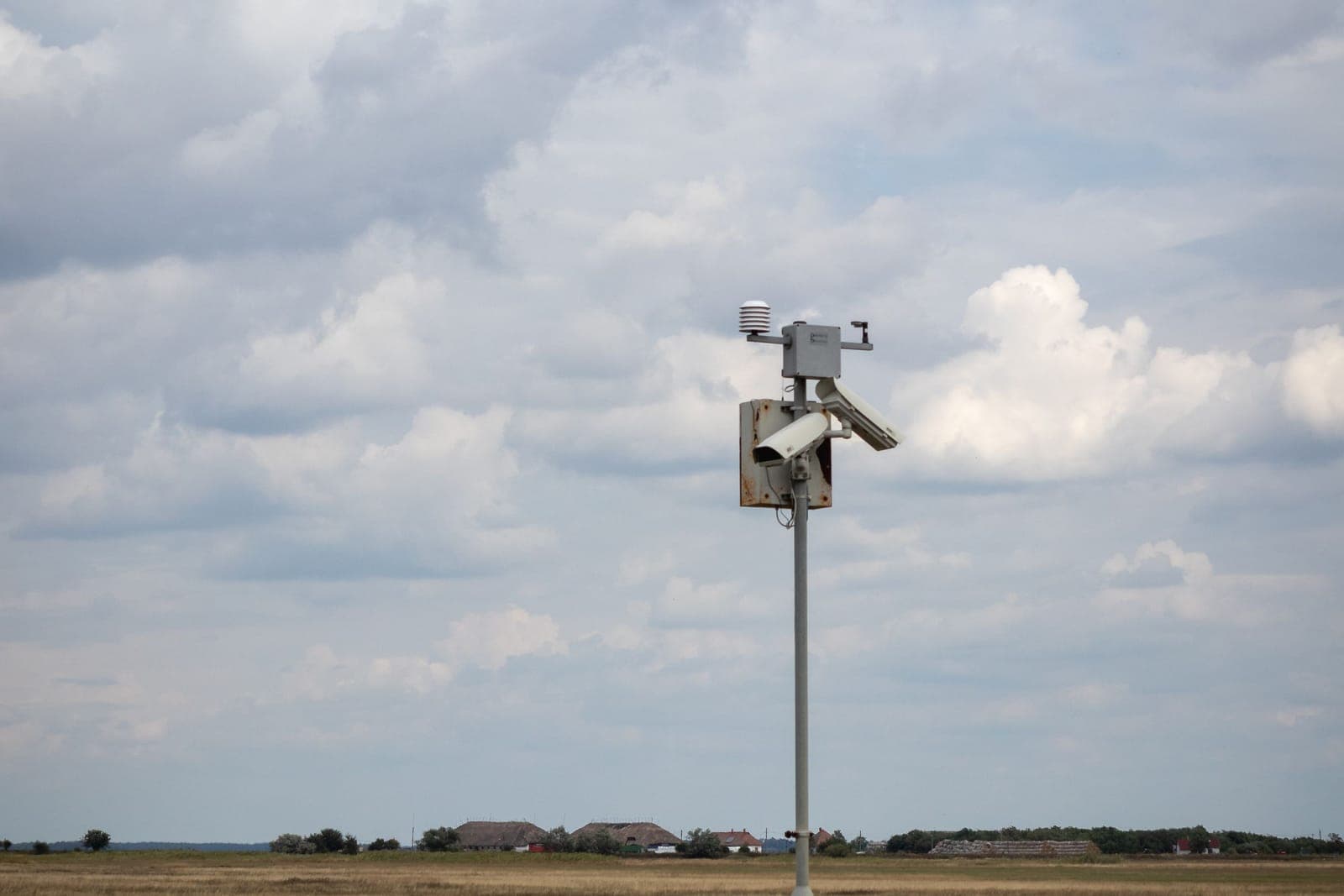
Enforcement is done almost entirely by cameras, and they are everywhere - in cities, on highways, and on the approaches to towns. Radar patrols are rare; SMS fines are not. Google Maps and Waze flag most fixed cameras in Georgia, and locals treat those alerts as a standard part of navigation.
Alcohol: effectively zero tolerance
Georgia's blood-alcohol limit is 0.03% - stricter than most of Europe, and low enough that a single glass of wine can put you over. In the country that invented wine, this matters: if the day includes a tasting, it needs to include a non-drinking driver too. Drunk driving costs 700 to 2,500 GEL (~$260-925) plus a license suspension of up to six months.
Fines: current rates and how to pay
Georgia overhauled its traffic fines twice in 2026 (in May and again in July). As of July 2026, the amounts that matter to visiting drivers are:
- Speeding: 50 GEL (~$18) for 15-30 km/h over the limit, 100 GEL (~$37) for 30-50 km/h over, 300 GEL (~$110) for more than 50 km/h over.
- Running a red light or ignoring road signs: 100 GEL (~$37).
- No seatbelt: 50 GEL (~$18). Phone in hand: 50 GEL (~$18).
- Parking on a sidewalk: 100 GEL (~$37) in the big cities, with a real risk of being towed.
Camera fines are sent to the vehicle's owner - for a rental car that means the rental company, which forwards the fine to you. Fines paid within 10 days get a 20% discount; unpaid fines double after 30 days. They can be paid online with a foreign card at videos.police.ge or bogpay.ge, so there's no reason to leave one hanging when you fly home.
Fuel: full service, cash in the mountains
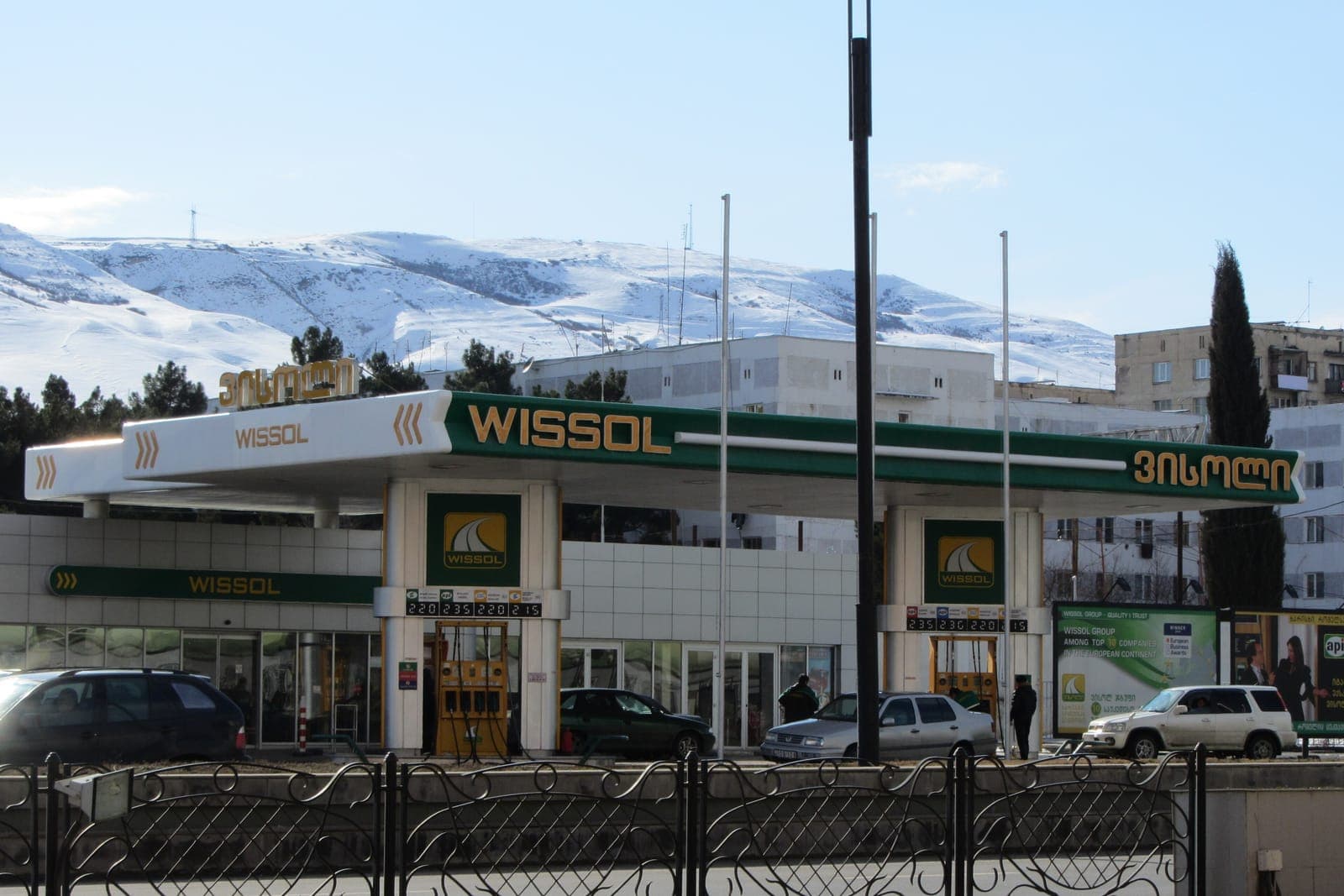
Fuel stations (Gulf, Wissol, Rompetrol, SOCAR, Lukoil) line all the main roads and many are open around the clock. An attendant pumps for you - just say the amount or 'full'. Cards work at every major chain, but small rural stations can be cash-only, so keep some lari on hand. EV chargers exist in Tbilisi, Batumi and along the central highway, but are still rare in the mountains.
The golden rule: fill up before heading into the mountains. Past Gudauri on the Military Highway stations thin out fast, and in remote areas like Tusheti there are none at all.
Mountain roads
Georgia's most spectacular drives are mountain drives, and they deserve respect. The Georgian Military Highway to Kazbegi is fully paved but busy: it's the main truck route to the Russian border, so expect truck queues near the border section, sudden fog around the Jvari Pass at almost 2,400 metres, and cows on the road at any moment.
In summer, a regular sedan handles all the classic routes: Kakheti, Kazbegi, Kutaisi, Batumi - and, since the road was sealed in 2024, even Ushguli. For the rough gravel destinations - Tusheti's Abano Pass and David Gareja - you want high clearance, and for Tusheti specifically a 4x4 and an experienced driver. We break down every route in our route-by-route 4x4 guide. In winter (November to April), carry chains for mountain passes and check conditions before you go: the road up to Gudauri and Kazbegi occasionally closes in heavy snow.
The local driving style
Let's be honest: Georgian drivers are more assertive than most visitors are used to. Overtaking on curves happens, lane markings are treated as a suggestion, and the horn is a form of communication rather than aggression. It looks chaotic at first, but there's a logic to it - locals expect the unexpected and leave room for it.
The fix is simple: drive defensively, keep your distance, let faster cars pass, and don't try to match the local pace. The roads themselves are better than the country's reputation suggests - the main highways are in good condition and improve every year.
Police, accidents and emergencies
Patrol police are visible and professional, and they're generally friendly toward tourists; in the cities most officers speak some English. If you're stopped, stay in the car, hand over your license and passport, and keep it polite - there is no culture of roadside 'arrangements' with tourists, and offering one is a crime.
If you have an accident - even a minor one - do not move the car. Call 112 (operators speak English), then call your rental company. The police report is what makes the insurance work, and moving the car before the police arrive can void the claim. Take photos of everything while you wait.
Parking in the cities
Central Tbilisi runs paid zonal parking, managed by City Hall at parking.tbilisi.gov.ge. You can pay at street terminals, but the easiest way for a visitor is the official Parking Tbilisi app - download it for iPhone or Android and pay straight from your phone.
Here's how a session works once the app is installed:
- Add your car's number plate in the app.
- Enter the code of the zone you've parked in - every parking area has its own code, shown on the blue signs around it.
- Tap Start. The first 15 minutes are free; after that it's just 1 GEL (~$0.35) per hour.
- Pay by the hour, or buy a full day or a week if you're staying longer.
Batumi runs a similar paid-zone system in high season. Whatever you do, don't park on sidewalks: it's a 100 GEL (~$37) fine, towing is active, and getting a car back from the impound lot is not how you want to spend a vacation morning.
What this means for renters
None of this should put you off - quite the opposite. Roads here reward drivers like few places in the world: monasteries at the end of switchbacks, vineyards an hour from glaciers, and a coastline waiting after the mountains. Get the basics right - stick to the limits, skip the wine until evening, fill up before the passes - and driving in Georgia quickly becomes the best part of the trip.
At WeRent, we drive these roads ourselves, and we're happy to share what we know: which car suits your route, where a sedan is fine and where you'll want the extra clearance, and what to do if an SMS fine shows up. Browse our fleet - and don't forget that visitors to Georgia also need health insurance from 2026.
Frequently asked questions
Can I drive in Georgia with my home driving license?
Yes, if it's printed in Latin characters - EU, US, UK and Israeli licenses are accepted as they are. Licenses in other scripts need an International Driving Permit or a notarized translation alongside.
Is driving in Georgia safe for tourists?
Yes, with defensive driving. Main roads are in good condition and camera enforcement has tightened. Keep your distance, avoid mountain roads after dark, and don't try to match the local overtaking style.
What are the speed limits in Georgia?
60 km/h in cities, 90 km/h outside built-up areas and 110 km/h on motorways, unless signs say otherwise. Some residential zones are limited to 30 km/h.
What happens if I get a speed camera fine in a rental car?
The fine goes to the rental company as the owner, and the company forwards it to you. Pay within 10 days for an automatic 20% discount - unpaid fines double after 30 days.
Do I need a 4x4 in Georgia?
Not for the classic routes - Tbilisi, Kakheti, Kazbegi, Kutaisi, Batumi and (since 2024) even Ushguli are all paved, and a sedan is fine in summer. You'll want high clearance or a 4x4 for Tusheti, David Gareja and winter mountain trips.
Planning a trip to Georgia? Pick your car and drive worry-free.
Browse the fleetSimilar posts
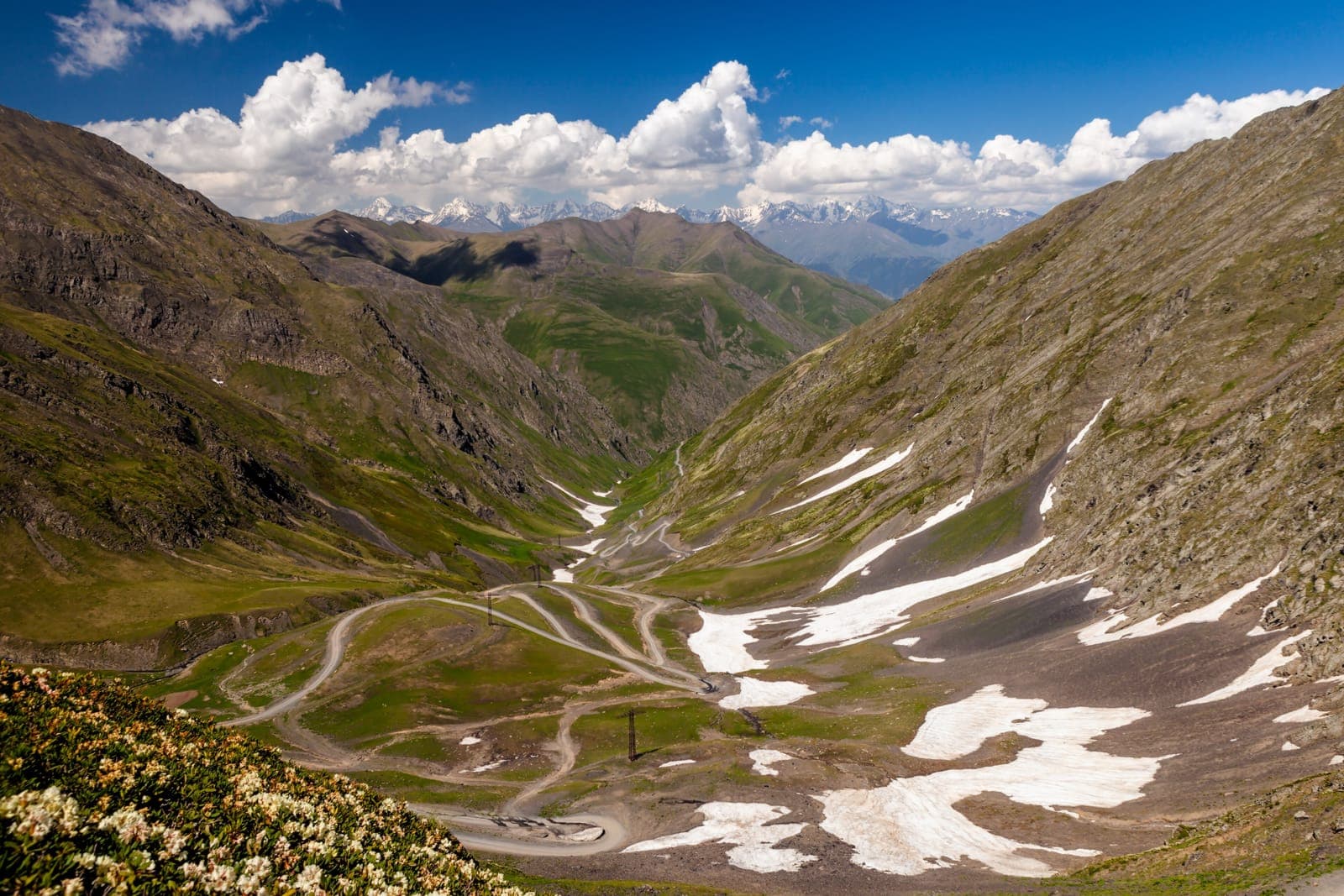
Driving to Tusheti: The Abano Pass, Honestly (2026)
What the Abano Pass road to Tusheti is really like: the seasonal window, the true 4x4 you need, when to hire a local driver, and how to rent the right car in Georgia.
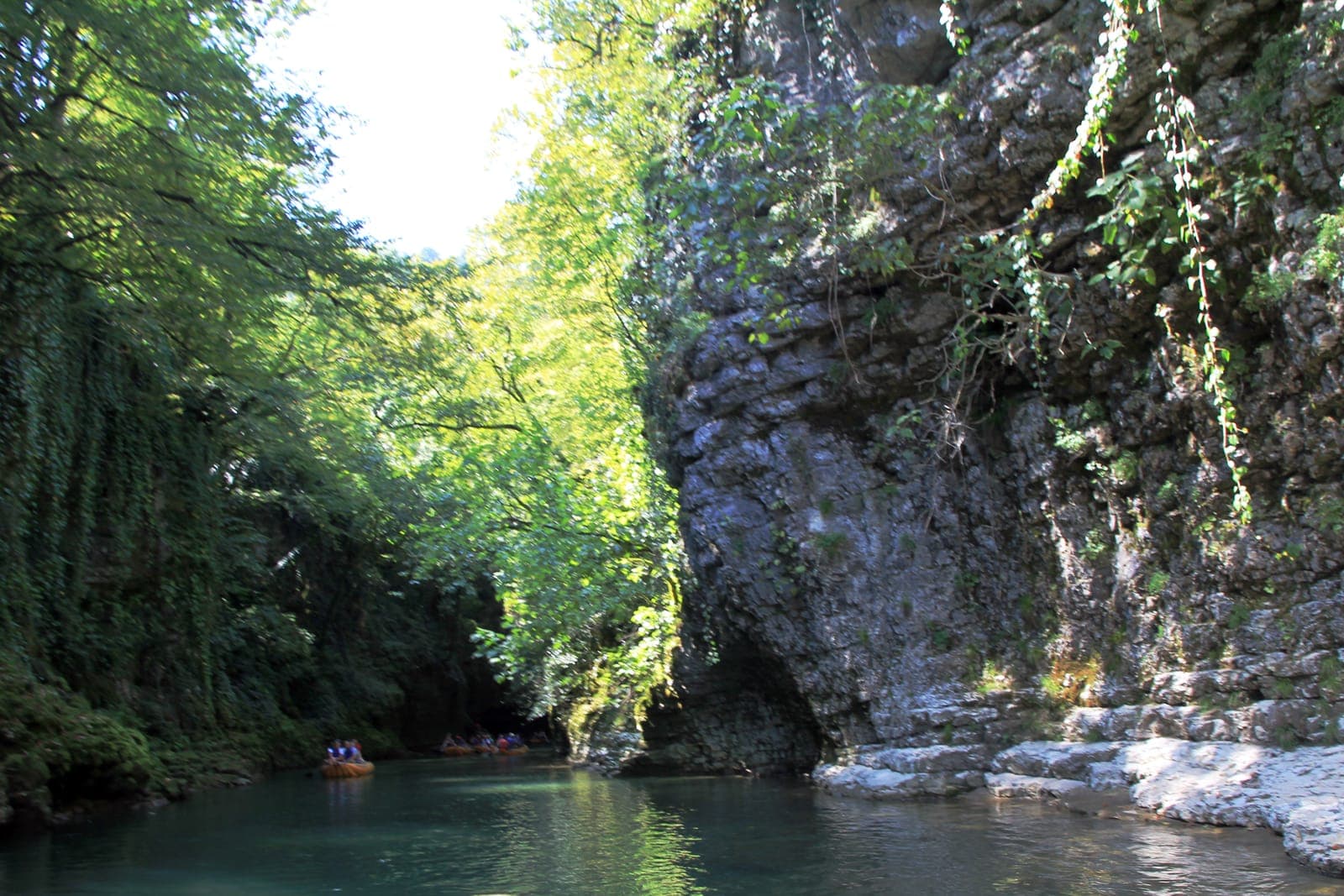
Flying into Kutaisi: Canyons, Caves and Waterfalls by Rental Car
Landed at Kutaisi airport on a budget flight? Rent a car in Georgia and spend 1-3 days on Martvili, Okatse, Prometheus Cave, Gelati and Tskaltubo. 2026 guide.
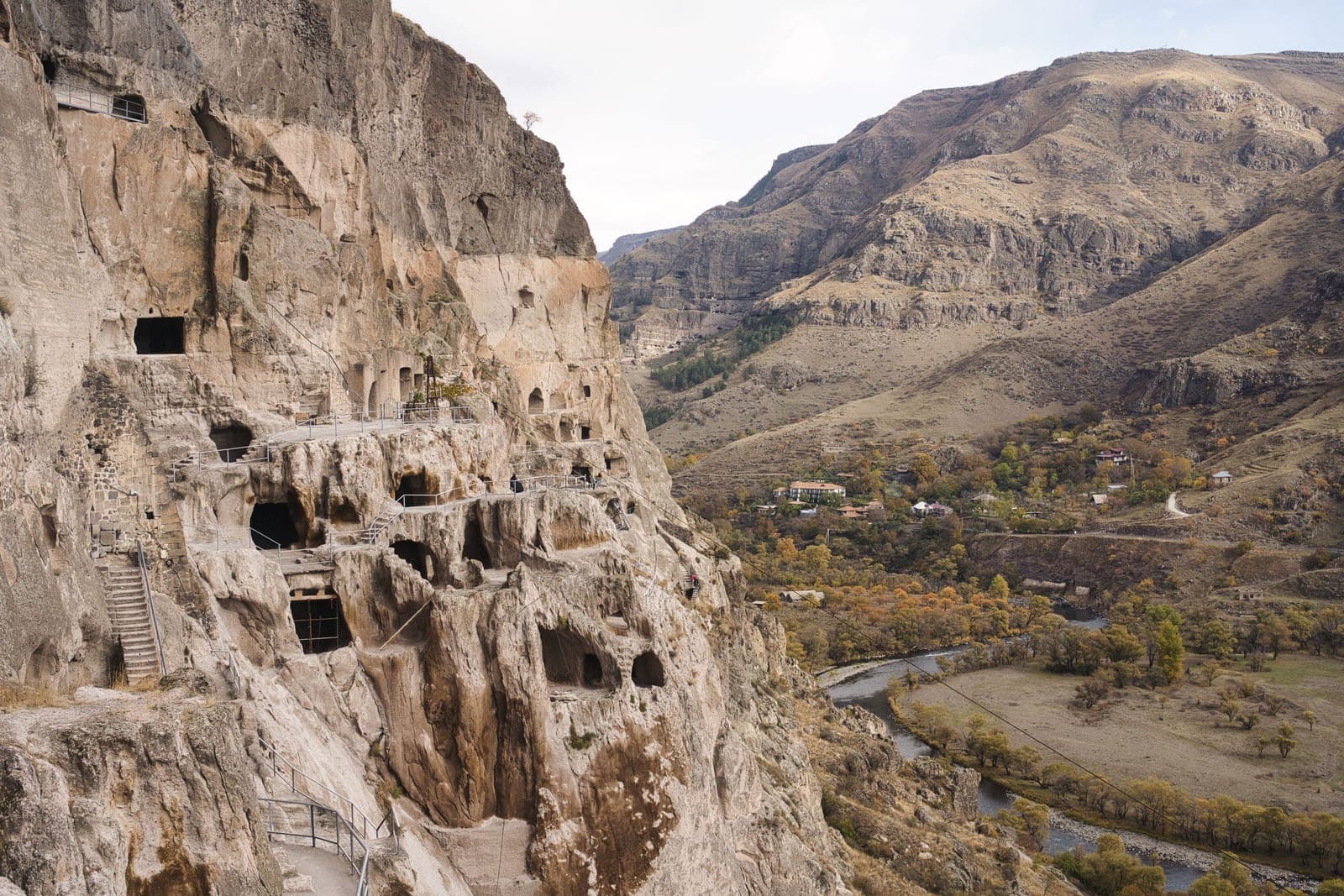
Vardzia, Rabati and Borjomi: Georgia's Southern Route by Car (2026)
Drive Georgia's southern route: Borjomi's springs, Rabati fortress and the Vardzia caves in two days. Roads, entry fees and the right rental car for 2026.