
Driving to Tusheti: The Abano Pass, Honestly (2026)
What the Abano Pass road to Tusheti is really like: the seasonal window, the true 4x4 you need, when to hire a local driver, and how to rent the right car in Georgia.
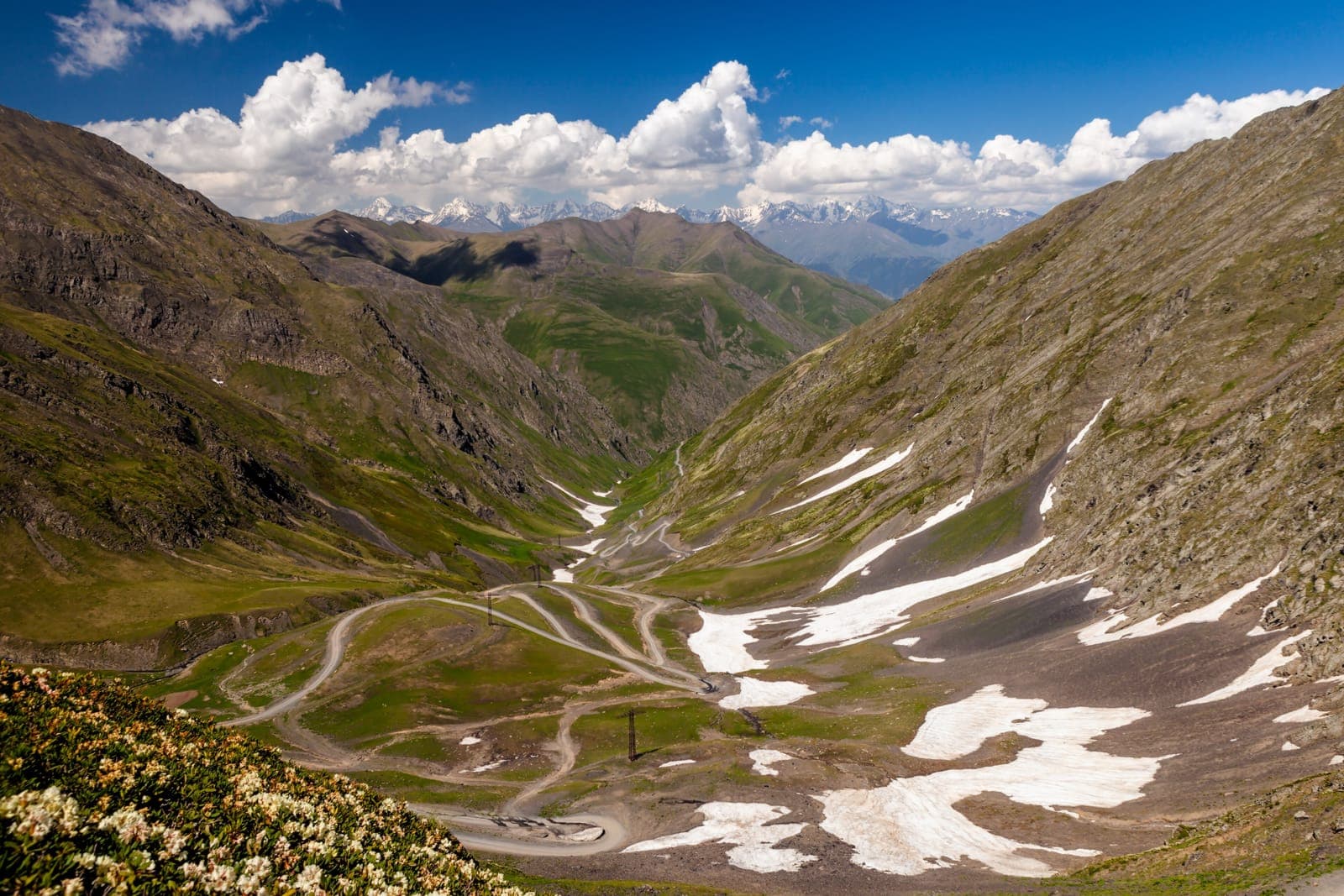
Every country has one road that separates the drivers from the passengers. In Georgia it is the road to Tusheti: 72 km of gravel from the village of Pshaveli over the 2,826-metre Abano Pass to Omalo, with hairpins stacked on hairpins, waterfalls running across the surface and drops you will not want to look at while steering. It is also the door to the most untouched mountain region in the country - stone towers, empty valleys and villages that spend seven months a year cut off from the world. This guide tells you honestly what the road demands, which rental car can do it, and when the smarter move is to let a local drive.
One honest note before anything else: we are publishing this at the start of October, and the pass closes with the first heavy snow - usually somewhere between late September and mid-October. If you are reading this in autumn, treat Tusheti as a plan for next summer rather than next weekend. The road reopens in June, and everything below is written to still be true when it does.
Tusheti at a glance
- The road: 72 km from Pshaveli to Omalo, almost all of it unpaved. The pass sits at 2,826 m - one of the highest drivable roads in the Caucasus. Plan 4 to 5 hours for those 72 km alone.
- From Tbilisi: about 2 hours to the Alvani valley in Kakheti via the Gombori Pass, then the mountain road. Door to door, Tbilisi to Omalo is a 7-8 hour day.
- The season: roughly mid-June to early October. In 2026 the pass opened on 20 June; it closes with the first heavy snow, sometimes with a day's notice.
- The car: a true body-on-frame 4x4 with high clearance and low range. In our fleet that means the Toyota 4Runner or the Land Cruiser Prado - and nothing smaller.
- Up there: no fuel stations, no ATMs, patchy phone signal, guesthouses that take cash. Everything you need goes up the mountain with you.
What the road is actually like
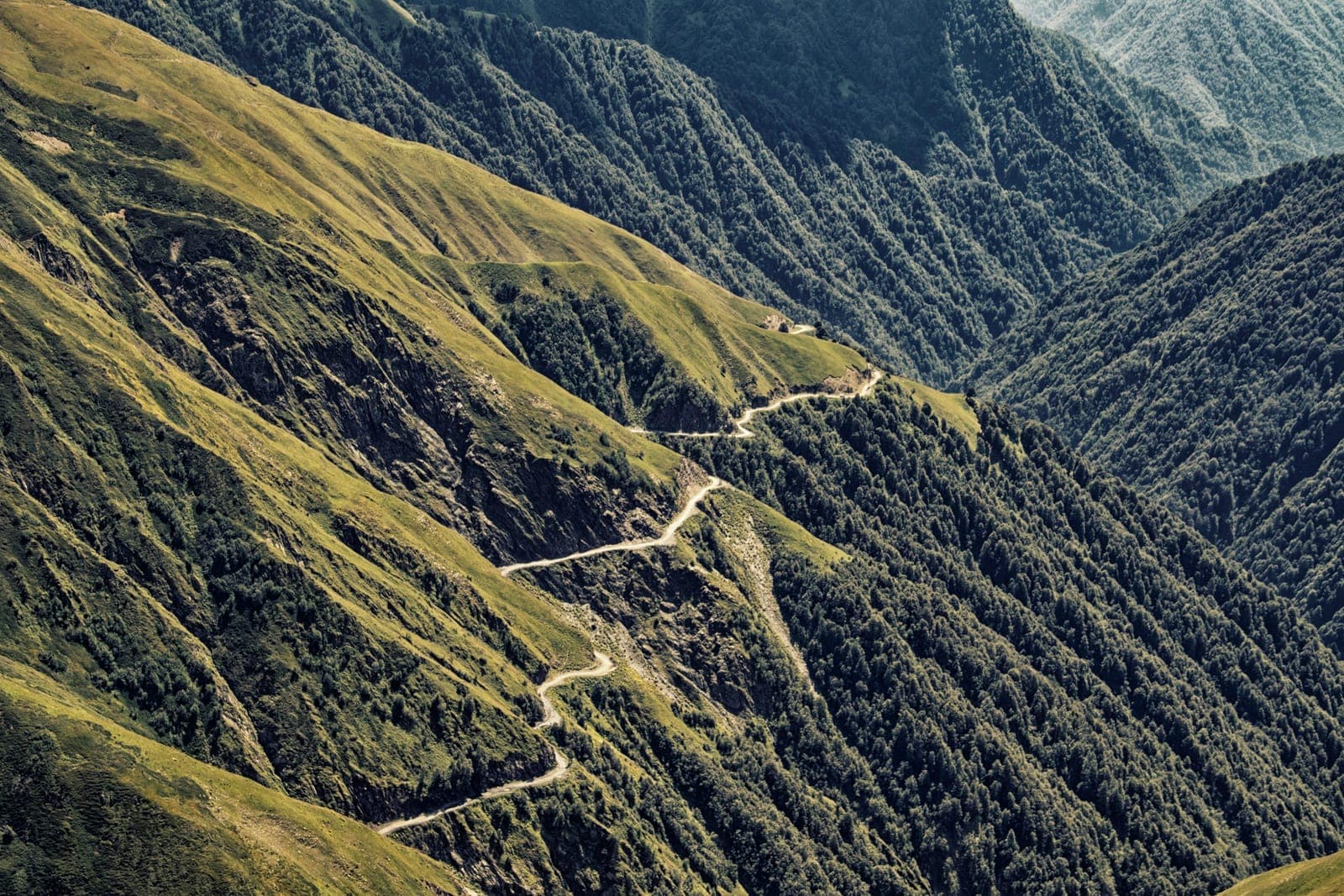
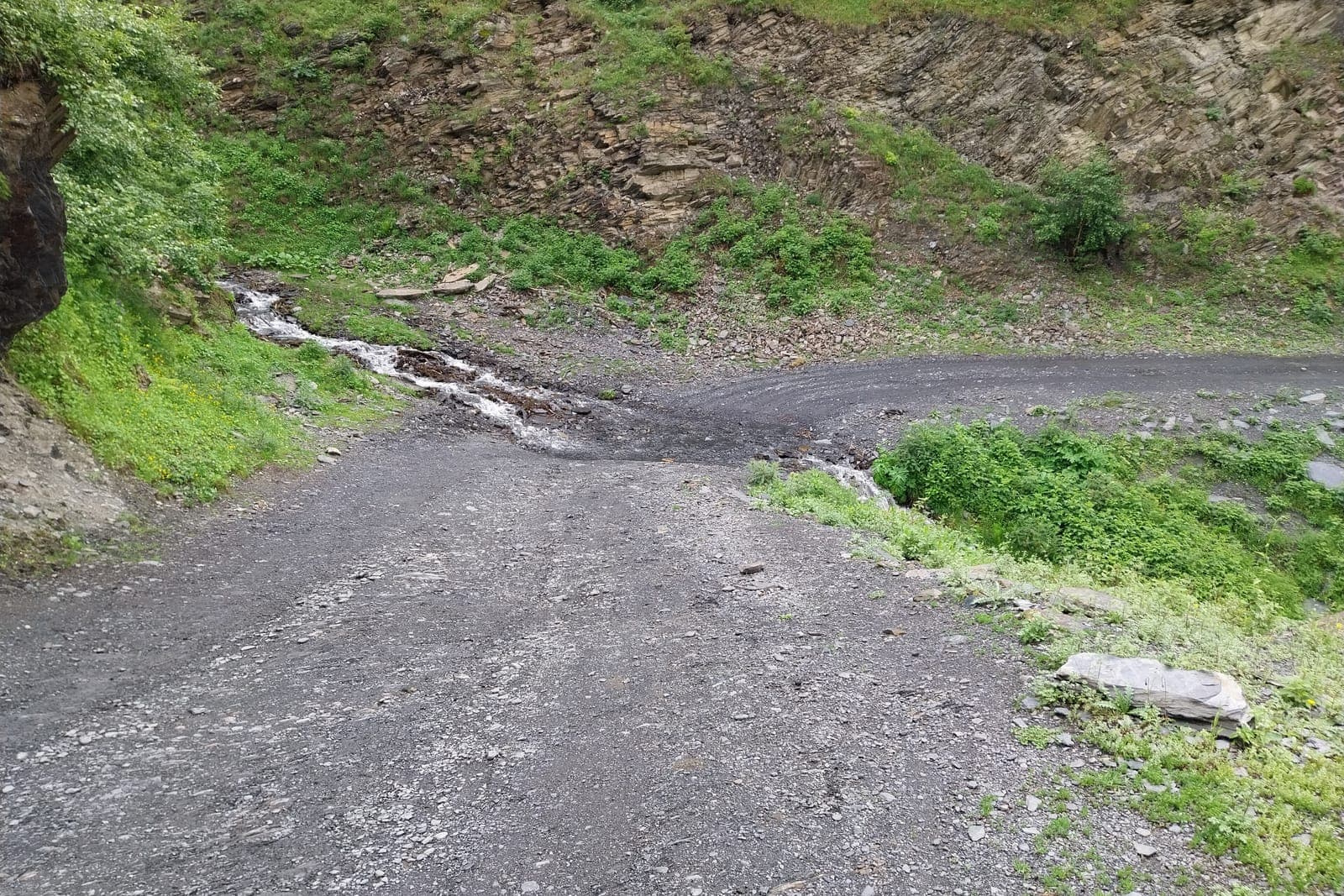
The numbers first. Pshaveli sits at about 460 m; the pass at 2,826 m; Omalo at roughly 1,850 m. That means nearly 2,400 vertical metres of climbing on gravel, then a 1,000-metre descent on the other side. The surface changes constantly: compacted gravel, loose stone, sections of bedrock, and streams that simply run across the road - in early summer some of them are proper fords fed by snowmelt. There are almost no guardrails. Two cars meeting on a narrow stretch negotiate: the one closest to a passing place reverses, and uphill traffic generally gets priority. Locals tap the horn before blind corners; copy them.
The good news: the road is slowly getting better. A 100-million-GEL state rehabilitation project has been running since 2024 - the first stretch out of Pshaveli is being asphalted, dangerous sections are being widened and levelled, and the work continues through 2026 and beyond. The honest news: most of the route will stay gravel by design, and while works are active you can meet machinery, short waits or single-lane sections. None of it changes the core fact - this is a serious mountain road that punishes casual driving.
The car: this is what 'true 4x4 required' means
On most Georgian mountain routes a compact 4WD crossover is enough - we say so plainly in our route-by-route 4x4 guide. Tusheti is one of the few places where it is not. The combination of altitude, loose surfaces, fords and 2,400 m of continuous engine braking on the way down asks for a body-on-frame 4x4 with real ground clearance and a low-range gearbox. A Jeep Renegade or Subaru Crosstrek will get you to Ushguli; over the Abano Pass they are the wrong tool, and we will tell you so at the counter.
Here is something most travelers learn too late: the majority of rental companies in Georgia simply ban Tusheti, and some will void your insurance if a tracker shows you went. We handle it differently. The Toyota 4Runner - a body-on-frame 4x4 built for exactly this kind of road - is the car we recommend for Tusheti, with the five-seat, diesel Land Cruiser Prado as the alternative. The condition is one conversation: tell us your route when you book, so the car and the plan match the road. Be clear on one thing, though: as on every unpaved route, the insurance does not cover damage to the car itself on the way to Tusheti - one more reason to take it slowly. The conversation costs you nothing - and as with every WeRent booking, there is no deposit and no prepayment; you pay at pickup. The details of how coverage works on rough roads are in our deposits and insurance guide.
When to hire a local driver instead
There is no shame in this option - half the people who love Tusheti have never driven there. Shared jeeps leave Kvemo Alvani in the morning; in 2026 a seat runs about 100-120 GEL per person and a whole jeep 500-650 GEL one way. The drivers do this road several times a week, know every ford and every passing place, and free you to look at the scenery instead of the edge. A sensible hybrid: drive yourself as far as Kvemo Alvani, leave the rental there for a night or two, and ride up with a local.
- Drive yourself if: you have real gravel and mountain experience, a booked 4Runner or Prado, a flexible schedule that can wait out weather, and a calm co-pilot.
- Hire a driver if: this would be your first unpaved mountain road, you are on a tight schedule, rain is forecast, or anyone in the car is scared of exposure. Fear in the passenger seat makes the driver worse.
- Either way: never drive the pass in the dark, in fresh snow or in heavy rain. The road will still be there tomorrow; make sure you are too.
Omalo, Dartlo and what waits behind the pass
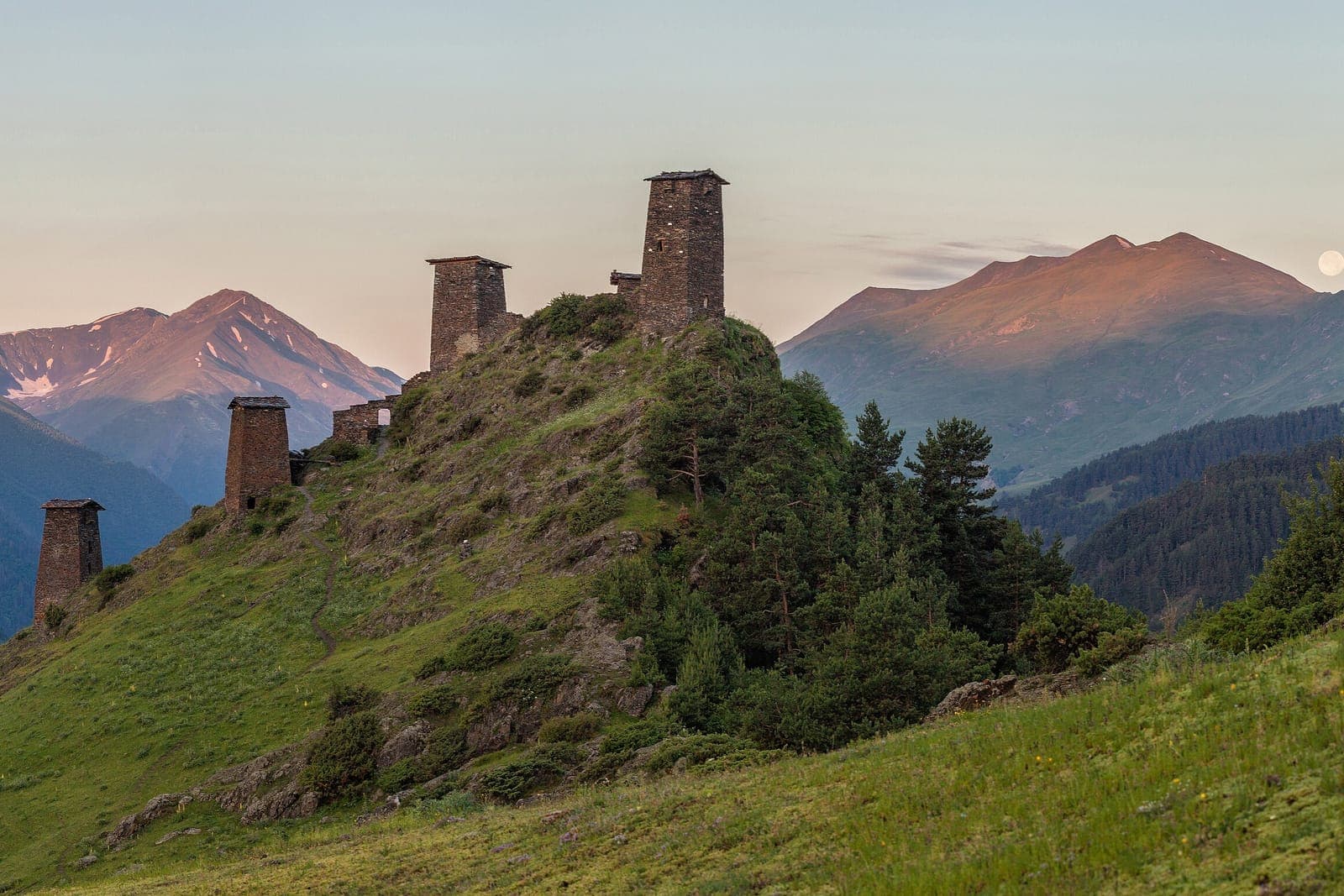
Omalo is the capital, split in two: Lower Omalo has most of the guesthouses; Upper Omalo climbs to the restored medieval towers of Keselo, built as refuges against raids from the north. It is the natural base for a first visit - two or three nights fill easily. From Omalo a rough valley road continues about half an hour to Dartlo, the most beautiful village in Tusheti and one of the most striking in Georgia: a tight cluster of slate towers and carved stone houses above the Pirikita Alazani river. Beyond Dartlo the tracks get narrower and the villages smaller - Chesho, Parsma - and every extra kilometre is slower than the map suggests.
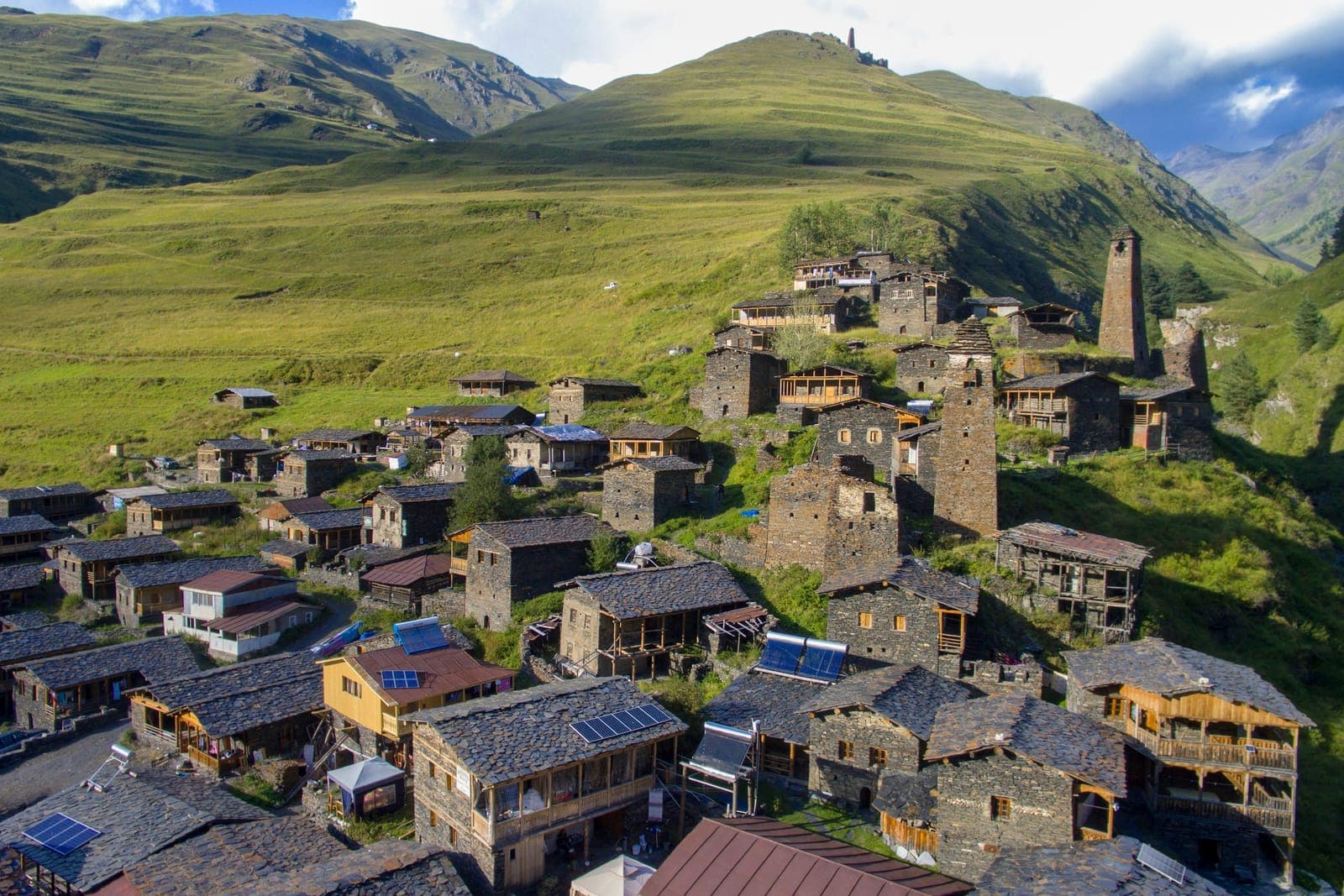
Two more names for your map. Shenako, east of Omalo, is a quiet village around a 19th-century church with khaki-green valley views. Past it lies Diklo, near the Russian border - the valley beyond has a border police post, so carry passports and expect a friendly document check. If you hike anywhere near the frontier ridges, stay on marked trails. And a note for planners: Tusheti pairs naturally with lowland Kakheti - many travelers descend the pass and roll straight into wine country, which we cover in our day trips guide.
Logistics: fuel, cash, sleep, signal
There is no fuel in Tusheti. None. The last proper stations are around Telavi and Kvemo Alvani, and the round trip from there - up, valley drives to Dartlo and Shenako, back down - is easily 200 km of low-gear work that burns far more than highway numbers suggest. Arrive at Pshaveli with a full tank and you will come back down with a comfortable margin in a 4Runner or Prado. There are no ATMs either, and guesthouses run on cash: bring enough lari for beds, meals and a driver day trip if you want one. Book beds ahead in July and August - Omalo is small and fills up.
Phone signal disappears for long stretches of the pass road and comes and goes in the villages; do not count on rescuing a bad decision with a phone call. Tell your guesthouse when you set off and which way you are going - it is what locals do. Power in the smaller villages can be limited to evenings. And if your travel documents are not Georgian, skim our who can rent a car in Georgia guide before you book - the license rules for foreigners are simple but worth five minutes.
The rules that keep you safe up there
- Uphill has priority. If you are descending and meet a climbing car, you reverse to the nearest passing place. Reversing uphill on gravel is easier to control than reversing down.
- Engine braking, not brake pads. Descend in low gear the whole way. Riders who cook their brakes on the 1,000-metre drop to Omalo are the classic Abano rescue story.
- Horn before blind corners, lights on, windows cracked so you hear oncoming engines. Local drivers will flash or wave you into passing places - trust their reading of the road.
- Walk every ford you cannot see the bottom of. Snowmelt is strongest in the afternoon; a stream that was ankle-deep at 9:00 can be pushing stones by 16:00.
- Leave a weather day in the plan. If it rains hard, wait it out in Omalo. The pass punishes schedules; it has never once punished patience.
Tusheti is not a checkbox day trip - it is the reason people fall for the Georgian mountains and start planning the next visit before the first one ends. Give it three days, the right car and an early start. When you are ready, browse the fleet, tell us the plan, and we will make sure the 4Runner is fueled, checked and waiting - no deposit, no prepayment, and honest advice about whether the pass is in shape for the dates you have in mind.
Can I take a rental car over the Abano Pass to Tusheti?
Only in a true 4x4 and only with your rental company's agreement - most companies in Georgia forbid Tusheti outright. At WeRent the Toyota 4Runner and Land Cruiser Prado are approved for the pass when you tell us the route at booking. As on any unpaved road, the insurance does not cover damage to the car itself there, so drive it slowly.
When is the road to Tusheti open?
Roughly mid-June to early October - the exact dates depend on snow. In 2026 the pass opened on 20 June, and it closes with the first heavy snowfall, usually between late September and mid-October, sometimes with only a day's notice. July and August are the most reliable months.
How long does it take to drive from Tbilisi to Omalo?
Plan a 7-8 hour day: about 2 hours from Tbilisi to the Alvani valley via the Gombori Pass, then 4-5 hours for the 72 km of mountain road from Pshaveli to Omalo. Start early so the whole climb and descent happen in daylight and before afternoon rain.
Is the Abano Pass road dangerous?
It is regularly listed among the world's most dangerous roads, and the label is earned: gravel, exposure, no guardrails and fast-changing weather. But local drivers cross it daily all season without drama. The danger concentrates in bad decisions - driving it in the dark, in rain, in the wrong car, or in a hurry. Remove those and it becomes a demanding but manageable mountain road.
Is there fuel, cash or phone signal in Tusheti?
No fuel stations and no ATMs anywhere in Tusheti - fill the tank in Telavi or Kvemo Alvani and bring enough cash for guesthouses and meals. Phone signal vanishes for long stretches of the pass road and is patchy in the villages, so download offline maps and tell your guesthouse your plans before heading out.
Do I need a permit or passport for Tusheti?
No permit is needed for Omalo, Dartlo or the main valleys. Carry your passport anyway: the area near Diklo runs toward the Russian border and has a border police post that may check documents, and hikes near the frontier ridges should stick to marked trails.
Planning a trip to Georgia? Pick your car and drive worry-free.
Browse the fleetSimilar posts
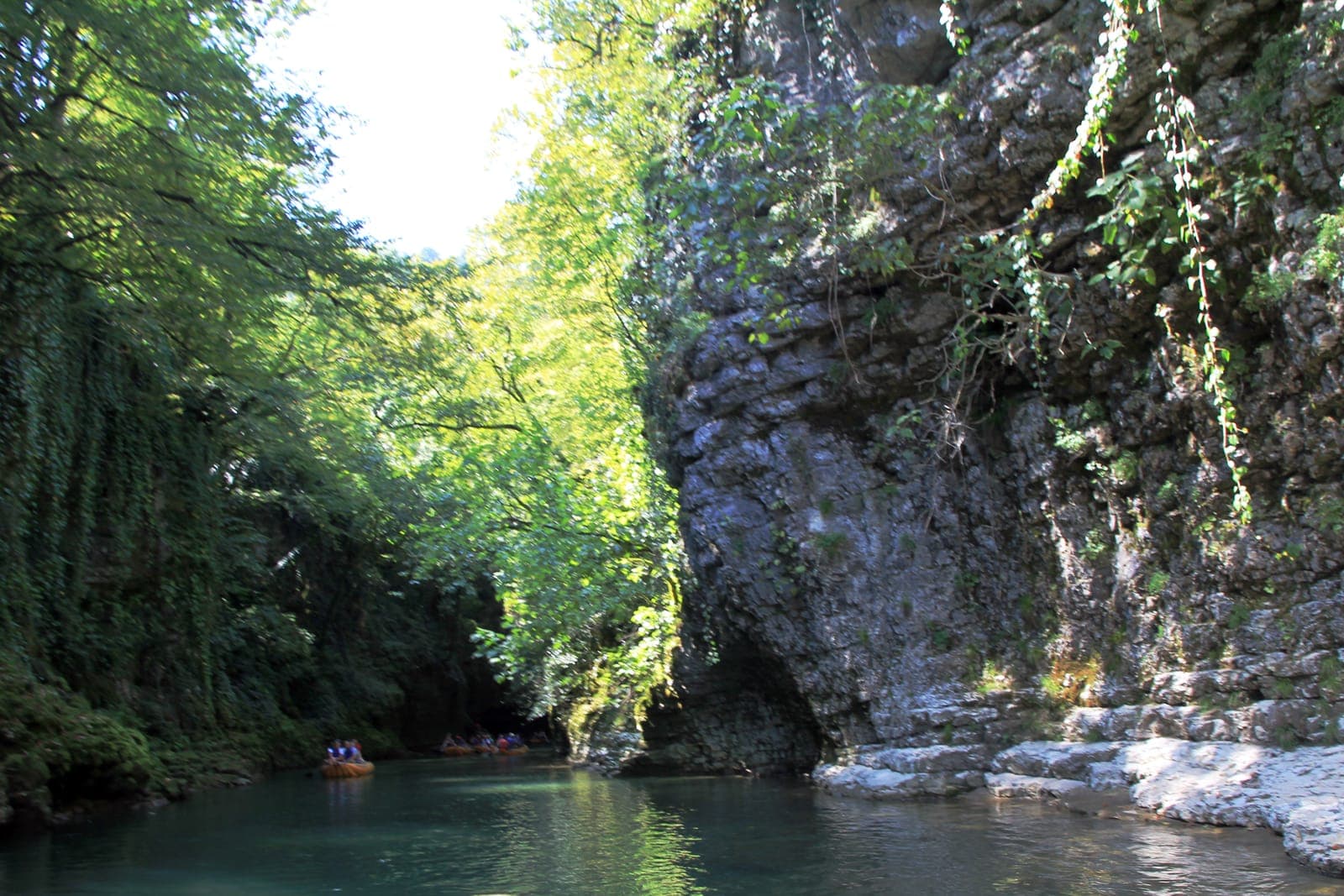
Flying into Kutaisi: Canyons, Caves and Waterfalls by Rental Car
Landed at Kutaisi airport on a budget flight? Rent a car in Georgia and spend 1-3 days on Martvili, Okatse, Prometheus Cave, Gelati and Tskaltubo. 2026 guide.
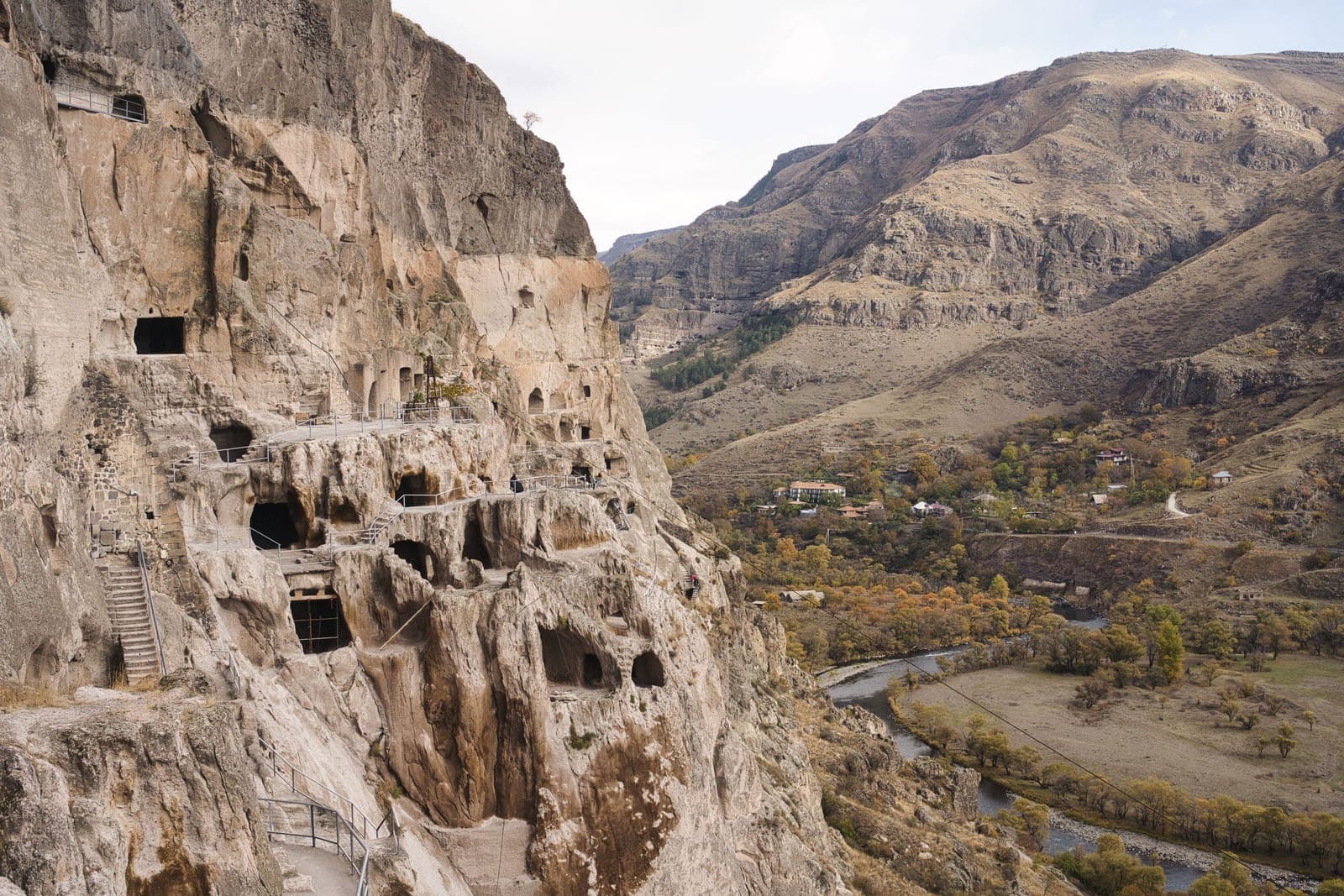
Vardzia, Rabati and Borjomi: Georgia's Southern Route by Car (2026)
Drive Georgia's southern route: Borjomi's springs, Rabati fortress and the Vardzia caves in two days. Roads, entry fees and the right rental car for 2026.
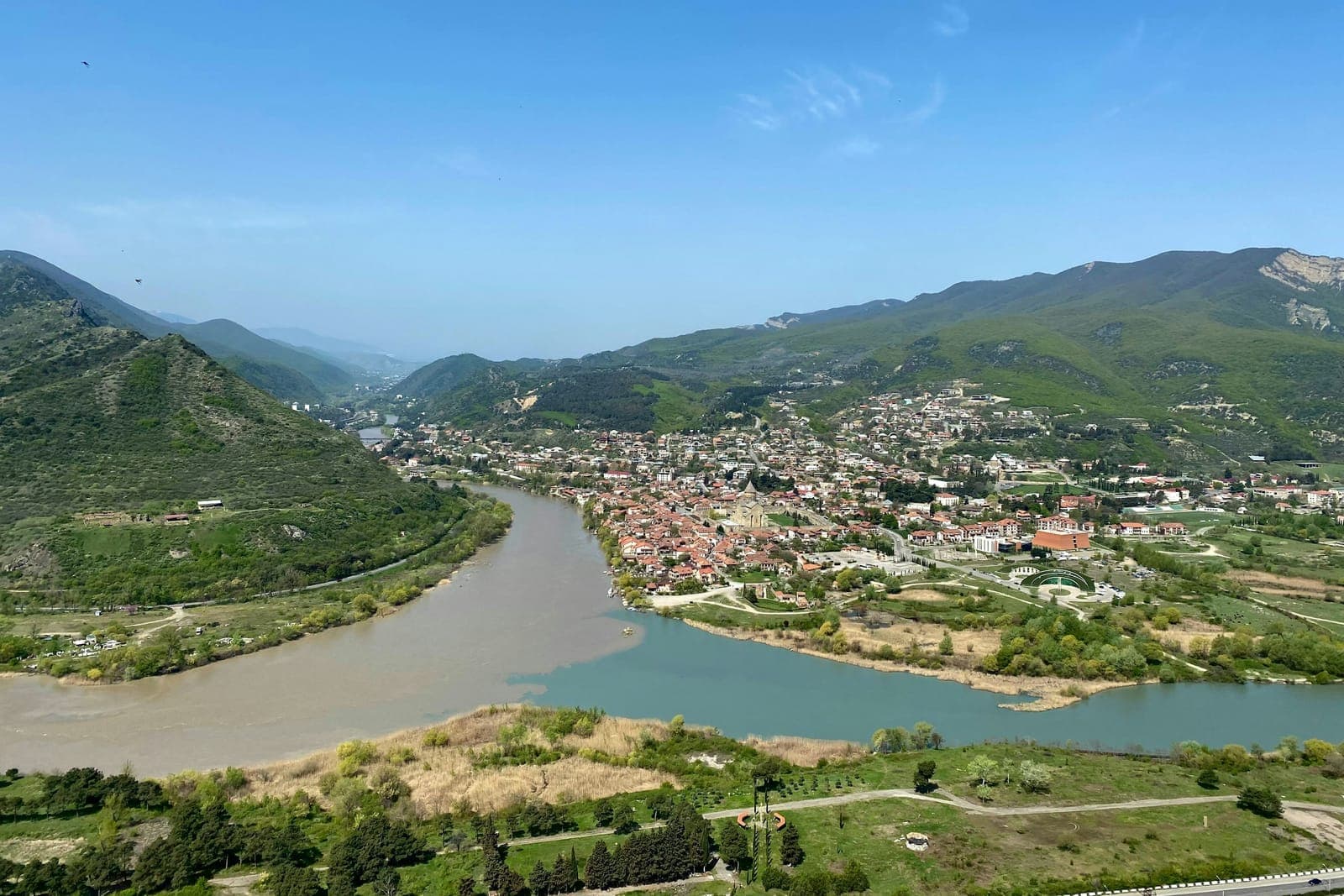
8 Day Trips from Tbilisi by Car (Under 2 Hours Each)
Eight tested day trips from Tbilisi by rental car, each under 2 hours of driving: distances, road quality, parking and which car you need in Georgia.